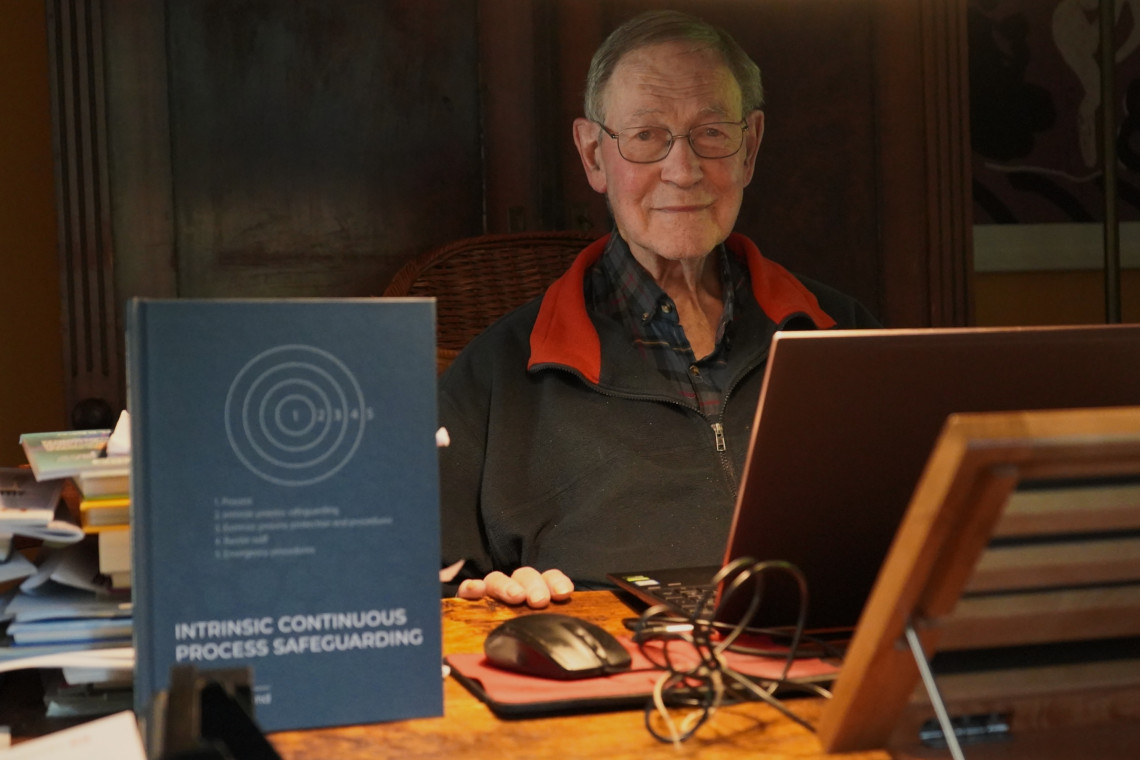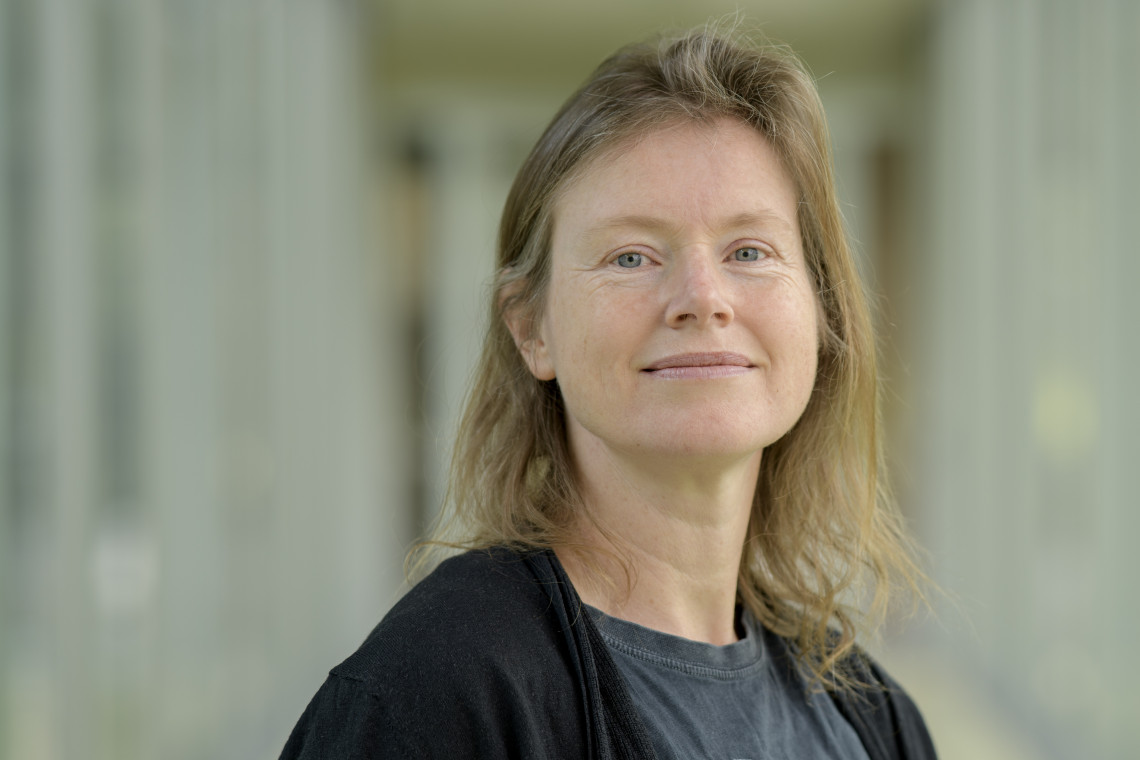



Leijten received the grant for his research into the scalable production of clinically viable tissue. Van der Meer’s project investigates how liquids behave when they strike a surface and undergo a phase change.
This is not the first time Van der Meer has secured a prestigious grant. In 2019, he received a Vici grant worth 1.5 million euros for his research into the complex physics of boiling liquids. A few years earlier, in 2012, he was awarded a Vidi grant of 800,000 euros.
Leijten has also built an impressive track record in recent years. He received a European grant worth 150,000 euros, was appointed a member of the Young Academy, and received the TERMIS EU Award. In addition, he was awarded a Vidi grant of 800,000 euros , just like Van der Meer.
Record number of grants
A total of 840 million euros was distributed in this funding round, more than 100 million euros higher than last year. As a result, a record number of grants were awarded. Despite this, the success rate remained relatively low.
The reason is the growing number of applications. This year, 3,329 proposals were submitted, more than 30 percent more than last year. Of these, 319 were successful. This brings the success rate to 9.6 percent. Last year it stood at 11 percent, while the year before it was almost 14 percent.

Competition
Competition for European grants is therefore intense. According to the ERC, the increasing number of applications is creating challenges, as there are not enough reviewers available to assess proposals thoroughly.
Earlier this year, the council sought to limit the number of applications by introducing stricter rules in order to reduce the workload. However, the proposal was met with such strong criticism that the plan was ultimately abandoned.
The United Kingdom received by far the largest number of grants this time, with 62 awards, followed by Germany with 46 and Switzerland with 32. The Netherlands ranked sixth with 22 grants. That is a slightly weaker result than last year, when the country ranked fourth with 24 grants.
United States
In total, thirteen leading researchers currently based outside Europe received grants: nine from the United States, two from Australia, and two from Canada. They may use the funding to establish a laboratory or research team at a European research institution.
Seven of them are making use of additional funding made available by the ERC for researchers from outside Europe, as part of efforts to attract more international top talent. The budget was increased after President Donald Trump launched measures that were widely seen as undermining academic freedom in the United States.
Women
A total of 81 female leading researchers received an Advanced Grant, compared with 237 men. As a result, only one quarter of the laureates were women. One recipient identified as non-binary.
The ERC also awards Starting Grants, worth up to €1.5 million, and Consolidator Grants, worth up to €2 million. The proportion of female grant recipients is generally somewhat higher in those funding schemes.