U-Today
Free - in store

Independent journalism at the University of Twente
 News
News
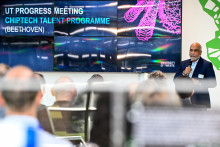
Wat doet de UT met de 20 miljoen euro voor ‘Project Beethoven’? Een eerste UT-brede voortgangsbijeenkomst vond woensdagochtend plaats in het DesignLab, waarbij betrokkenen hun projecten pitchten. ‘We moeten bijdragen aan de talentopgave voor de chiptechsector.’
News
What is UT doing with the 20 million euros allocated for ‘Project Beethoven’? A first university-wide progress meeting took place on Wednesday morning in DesignLab, where those involved pitched their projects. ‘We must contribute to the talent challenge in the chiptech sector.’
 News
News
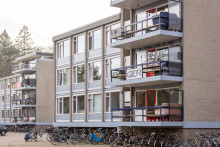
Internationale Beethoven-studenten uit zowel EER- als niet-EER-landen krijgen per september 2026 voorrang op UT-huisvesting. Dit sluit aan bij de wens om van Twente een belangrijke chiptechnologieregio te maken. De Uraad stemde woensdag in met het nieuwe huisvestingsbeleid.
News
From September 2026 onwards, international Beethoven students — from both EEA and non-EEA countries — will be given priority access to UT housing. This decision supports the ambition to make Twente a leading region in chip technology. On Wednesday, the University Council approved the new policy.
 News
News
De UT heeft de komende jaren twintig miljoen euro te besteden vanuit ‘Project Beethoven’, een versterkingsplan van de Nederlandse chipindustrie. Leontien Kalverda leidt dit programma vanuit de UT en ziet kansen, maar ook uitdagingen. ‘Om de ambities waar te maken, heb je mensen nodig.’
News
The UT has twenty million euros to spend in the coming years from 'Project Beethoven', a reinforcement plan of the Dutch chip industry. Leontien Kalverda leads this program from the UT and sees opportunities, but also challenges. 'To realise the ambitions, you need people.'
 News
News
De UT wil de komende jaren samen met de andere regionale onderwijsinstellingen duizenden extra studenten opleiden voor de microchipindustrie. Dat staat in een plan – ingediend door Twente Board – voor Project Beethoven, waarvoor de overheid 2,5 miljard euro beschikbaar stelt.
News
In the coming years, the UT, together with the other regional educational institutions, wants to educate thousands of extra students for the microchip industry. This is stated in a plan – submitted by Twente Board – for Project Beethoven, for which the government is making 2.5 billion euros available.
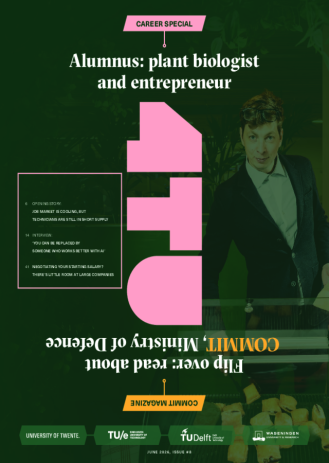
The eighth edition of the 4TU Career Special is out! This week, twelve thousand copies will land on the doormats of an equal number of alumni from the four technical universities. A special feature of this publication is the COMMIT insert of the Materiel and IT Command of the Ministry of Defence.
You’ll also find stories about alumni and start-up entrepreneurs. The opening article focuses on the national alumni survey, and you can read tips and tricks on salary negotiations.
Enjoy reading!