


What happens in the body once the pressure is off?
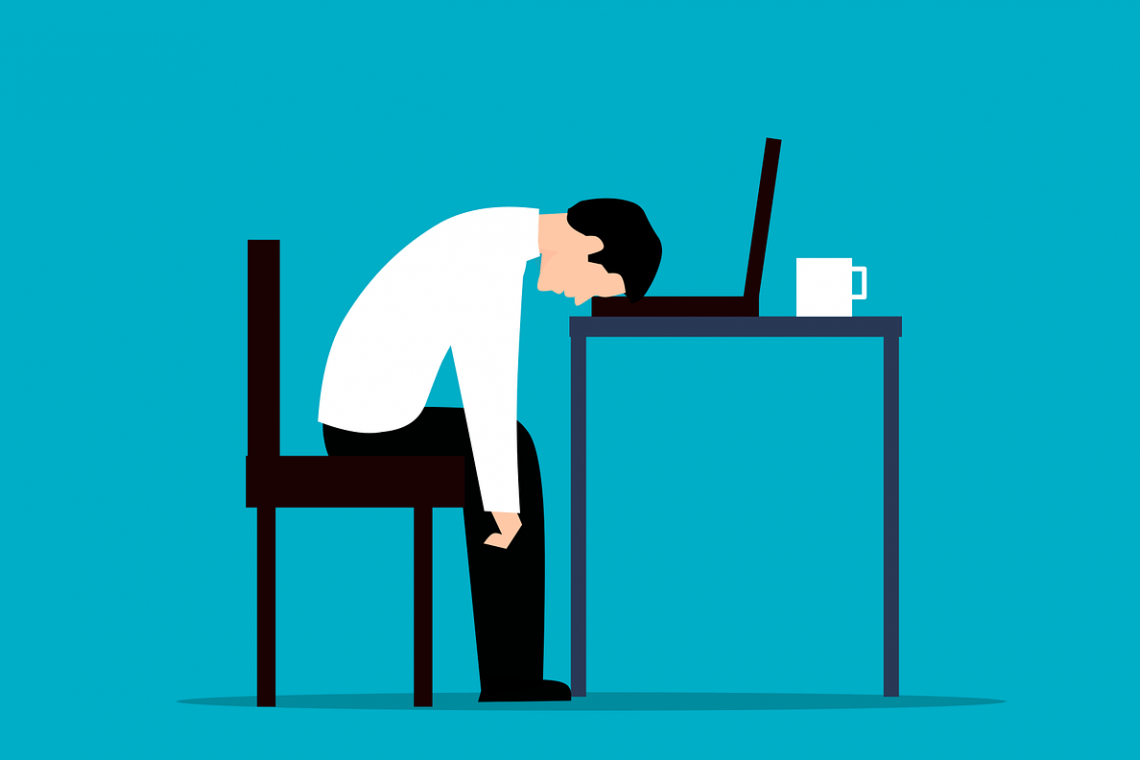
‘When you experience stress, your body prepares itself to perform or deal with a challenge. Your heart rate increases and stress hormones are released. As soon as the pressure disappears, the body switches from action mode to recovery mode. Your heart rate slows down, you begin to relax, and your energy reserves are replenished. That recovery is essential, because our bodies are not designed to remain under stress for long periods.’
Why do some people become ill or develop complaints after a stressful period?
‘Prolonged stress has a negative effect on the immune system. As a result, people become more susceptible to flu and other viruses. Why one person falls ill more quickly than another is partly determined by genetics. If there is too little recovery and relaxation, the stress system remains active for an extended period. This can lead to physical health problems, such as obesity and cardiovascular disease.
Not everyone develops physical complaints. Some people experience mental health problems, such as anxiety or depressive symptoms. In severe cases, prolonged stress can contribute to the development of psychosis.’
When does stress become unhealthy?
‘Stress becomes unhealthy when it lasts too long and there is insufficient time for recovery. Both the intensity and the duration of the stress are important. The longer someone remains under pressure, the more difficult recovery often becomes. People with burnout sometimes need months or even years to feel like themselves again. At the same time, stress is not inherently bad. A certain level of stress is actually healthy.’
How so?
‘Moderate stress can help people function better. A certain amount of tension provides motivation and greater focus. It can help students perform that little bit better during exams or projects, for example.’
What can you do to recover properly?
‘Breathing exercises are very effective. They help lower your heart rate, calm the body, and reduce rumination. I also encourage students and staff to consciously make time for activities they enjoy. Meditation can help, but it is very personal. The form of relaxation that works best differs from one person to another. Not everyone benefits from the same way of recovering.’
How do you deal with stress yourself?
‘I have become much more aware of the boundary between work and personal time. Sometimes you just keep going. It is tempting to finish one more task in the evening because it feels like a relief. But that is exactly where the trap lies. That is why I exercise regularly and consciously put my work aside, however difficult that can sometimes be.’
What does your research into stress involve?
‘My research focuses on how people can recover from stress most effectively. Coping plays a central role: the way people deal with stress and setbacks. People who ruminate a great deal often recover more slowly, whereas accepting a situation and being flexible in how you respond can be helpful. An important question people can ask themselves is: do I have control over this situation?
To investigate this, we use the diary method. Seventy to eighty participants receive questions through an app several times a day about their feelings and stress levels. We also measure physical stress responses, such as heart rate and sweat production, using wearable sensors.
During exam periods, students can ask themselves an important question: do I have control over this situation? During the preparation phase, you do have influence because you can study and prepare well. On the day of the exam, you no longer have control over the outcome. At that point, it is mainly about acceptance. Every situation requires a different approach.’
What are the signs that you are pushing yourself too far?
‘Many people only realise quite late that they are asking too much of themselves. Eventually, they move towards burnout. Although everyone is different, there are signs that may indicate someone has been constantly "switched on" for too long. These include difficulty falling asleep, fatigue, problems with concentration and memory, teeth grinding, and pain in the jaw muscles.’
What advice would you give students and staff?
‘Try to become more aware of how you feel and how you are doing. Regularly ask yourself: how am I really doing? It is a form of mindfulness that helps you recognise warning signs at an earlier stage. And perhaps most importantly, aim for a better balance between effort and relaxation. It is precisely that balance that helps prevent you from pushing beyond your own limits.’