

Why are you here?
‘WonkHe is a think tank focused on higher education in the UK. Part of my role is to support and stimulate student engagement and leadership. Sometimes that means working with politicians, sometimes it means connecting students with each other.
We are currently on a European tour, visiting a wide range of universities to see how things are organised here and to establish contacts for exchanges. We have already visited fifteen different cities and will be heading to Wageningen next.
From next year onwards, the UK will also rejoin ERASMUS+ exchanges, so it is good to make our presence known.’
What stands out to you about the Student Union here?
‘First of all, that it is entirely run by students. In the UK, SU members are often full-time staff, and that really makes a difference in how engaged students are.
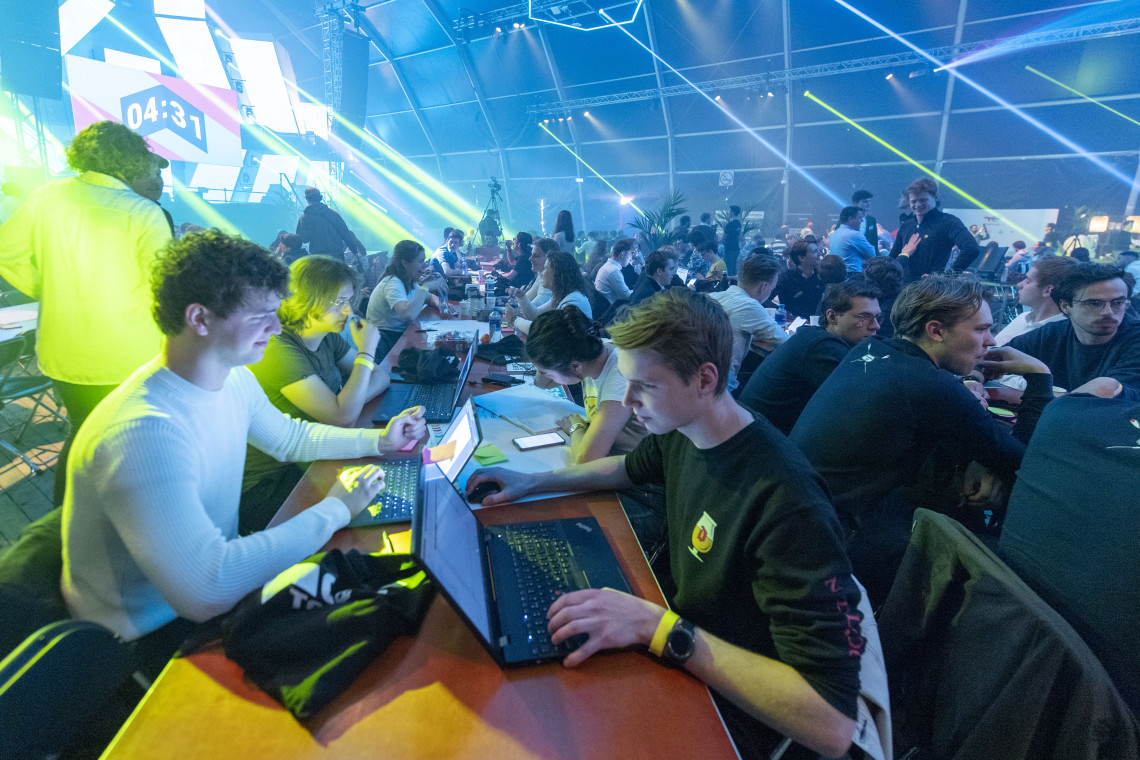
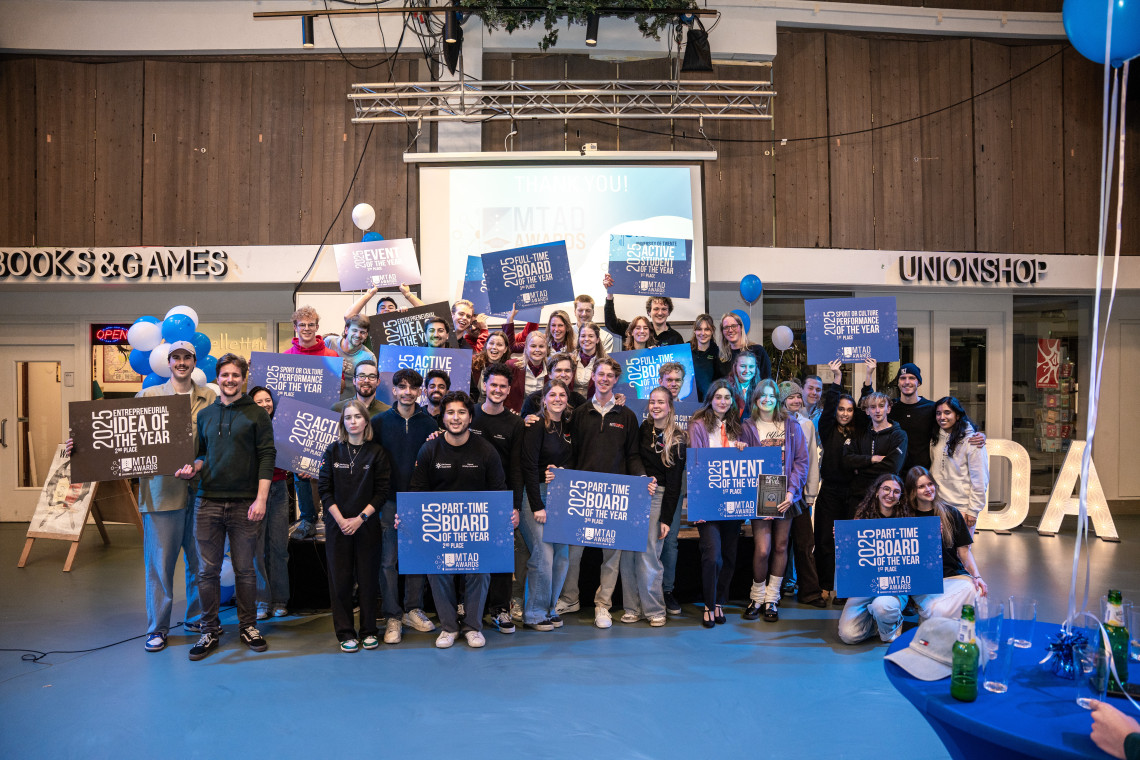
What I find genuinely impressive here is how professionally and seriously the SU members approach their work, and how seriously they are involved in everything. They work full-time and it really is their day job. Just look at pre-university activities or the Kick-In. By letting students organise these, you immediately create stronger engagement and a better connection with their own experience.
I also notice how much attention is paid to mutual support. Even when I browse the UT website, I keep coming across small details that show how deeply this is embedded in the university culture.’
What challenges do you see?
‘In today’s discussions, a proposed study delay penalty came up. If that goes ahead, it would be disastrous for student engagement. The nature of this kind of work means that students often have to put their studies on hold for a year. That is not a delay, but an investment in their future working lives.
In the UK, we are quite advanced when it comes to research on student wellbeing, inappropriate behaviour, and harassment, but translating that knowledge into concrete policy remains difficult. In that respect, UT is already a step ahead.’
What are you taking home with you?
‘It is inspiring to see what happens when a university simply trusts its students. We see that in other countries too. These are the employees and employers of the future, and they know that themselves. Yes, there is partying sometimes, and occasionally things go wrong, but they also understand that firm action is sometimes needed. If you give them that freedom and keep emphasising its importance to policymakers, truly remarkable things can happen.’