- EN
- NL
 Spotlight
De gordiaanse knoop die generatieve AI heet
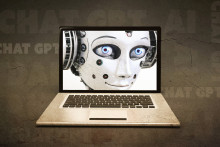
Examencommissies op de UT zitten met de handen in het haar sinds de opkomst van generatieve kunstmatige intelligentie. Meldingen van fraude kunnen nauwelijks gecontroleerd worden, niet elke docent blijkt even handig en sommige studenten zijn té handig. ‘We zijn de afgelopen anderhalf jaar nauwelijks iets opgeschoten.’
- EN
- NL
Spotlight
The Gordian knot called generative AI
Examination boards at the UT have been at a loss since the rise of generative artificial intelligence. Reports of fraud can hardly be checked, not every teacher turns out to be equally handy and some students are too handy. 'We have hardly made any progress in the past year and a half.'


- EN
- NL
 Opinion
Ja, zeker weten!
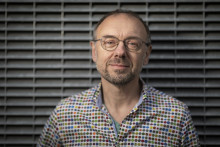
De laatste column van hoogleraar Wiendelt Steenbergen voor Campus Magazine. Ditmaal over de vraag of onderzoekers die besluiten kunstmatige intelligentie in te zetten, het in wezen wel snappen. 'Het zou in ieder geval goed zijn als een soort ethische bijsluiter komt.'
- EN
- NL
Opinion
Yes, for sure!
The latest column by full professor Wiendelt Steenbergen for Campus Magazine. This time on the question if researchers who decide to deploy artificial intelligence essentially get it. 'In any case, it would be good if there is some kind of ethical leaflet.'
- EN
- NL
 News
News
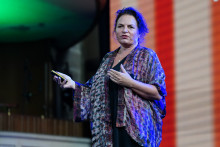
AI-advies moet duidelijkheid scheppen: ‘Transparantie belangrijkst’
Docent, geef aan of je studenten kunstmatige intelligentie mogen gebruiken bij hun opdrachten. En student, geef aan als je bij een opdracht géén AI hebt gebruikt. Dat is in een notendop het advies van de werkgroep ‘AI in Onderwijs van de UT’, naar aanleiding van doorbraak van onder andere ChatGPT. Werkgroepvoorzitters Robin van Emmerloot en Kim Schildkamp lichten het advies toe.
- EN
- NL
News
Advice for AI needs to bring clarity: ‘Transparency most important’
Teacher, indicate whether your students are allowed to use artificial intelligence in their assignments. And student, indicate if you have not used AI in an assignment. That is, in a nutshell, the advice of the ‘AI in Education of the UT’ workgroup, following the breakthrough of ChatGPT, among others. Workgroup chairpersons Robin van Emmerloot and Kim Schildkamp explain the advice.
- EN
- NL
 News
News
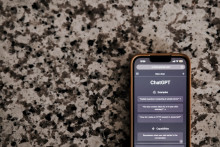
ChatGPT schrijft wetenschappelijk artikelen
In een wetenschappelijk tijdschrift is een artikel verschenen over de gevaren en mogelijkheden van ChatGPT in het onderwijs. En jawel, het is geschreven met behulp van ChatGPT.
- EN
- NL
News
ChatGPT writes academic articles
An academic journal has published an article about the risks and opportunities ChatGPT poses for education. And yes, it was written with the help of ChatGPT.
- EN
- NL
 News
News
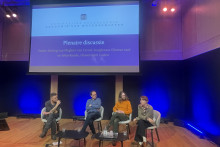
‘ChatGPT kan vooral goed bluffen’
De wereld is in de ban van het Amerikaanse AI-programma ChatGPT dat alles lijkt te kunnen. Het kan veel teweegbrengen in de wetenschap, de literatuur en het onderwijs. Maar het heeft nog veel te leren, is de teneur tijdens een KNAW-discussie.
- EN
- NL
 News
News
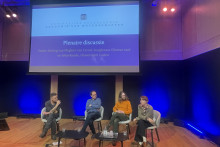
'ChatGPT is especially good at bluffing'
Everyone is talking about the AI chatbot ChatGPT which seems capable of doing pretty much anything. It has the potential to trigger multiple changes in the fields of science, literature and education. Yet the general feeling during a debate at the Royal Netherlands Academy of Arts and Sciences is that it still has much to learn.